Research Training Program
$2,300.00

4.7 (5 Ratings)
Research Training is an advanced and academically rigorous hands-on program, open to both residential and international students. It is suited to science enthusiasts who are interested in building research skills for science fairs and interships. No prior laboratory experience is required to attend this course. Applicants must have passed high-school Math, English and Biology or equivalent courses with a grade C or above. Students are required to arrange their own transportation to and from the program.
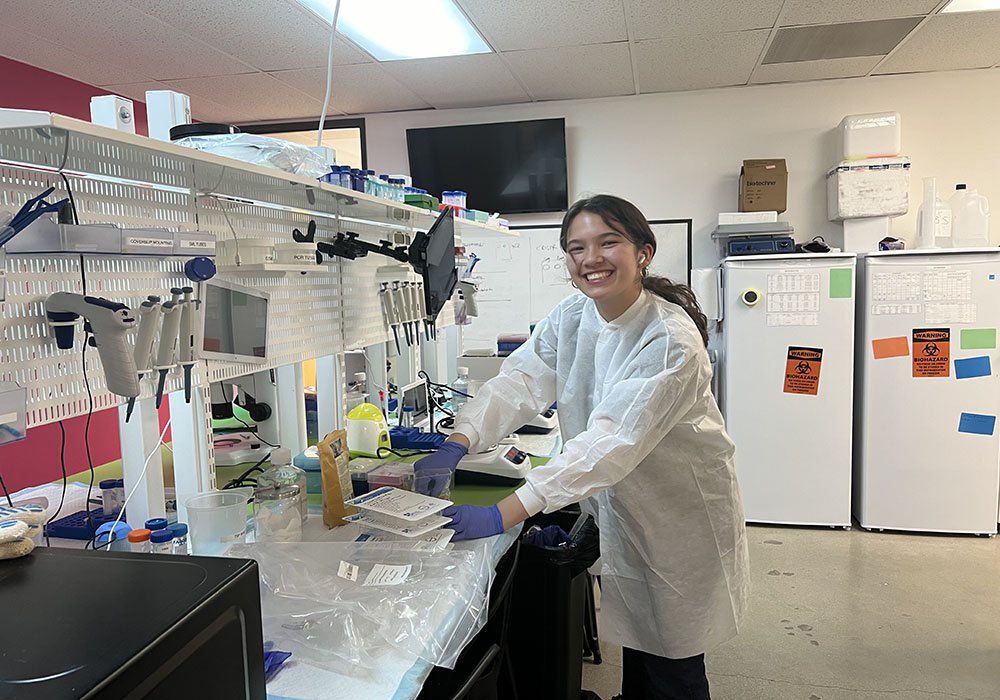
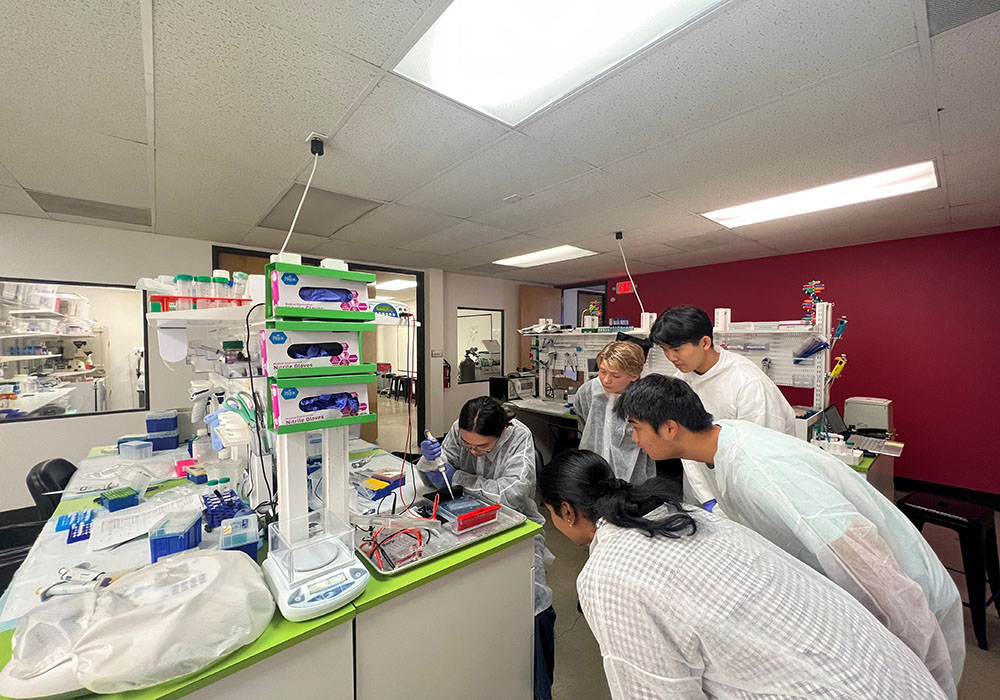
The Research Training Program is an intensive two-week course designed for students seeking to develop authentic research skills in a professional laboratory setting.
Participants design, execute, analyze, and present an original research experiment testing whether inflammation affects human neuronal growth and development, using brain cancer–derived cells as a research model.
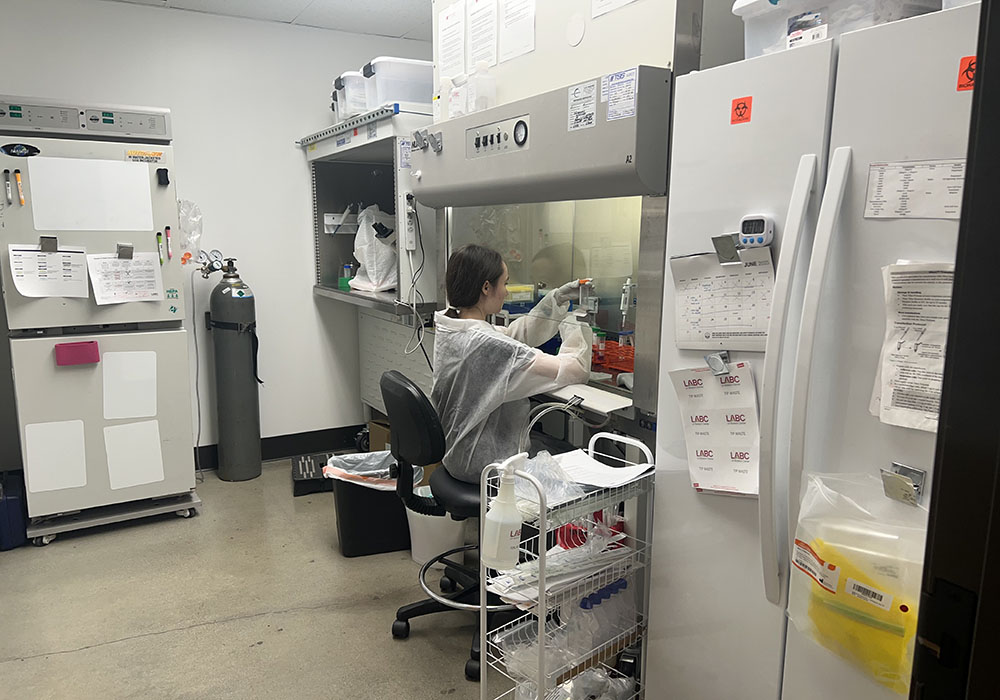
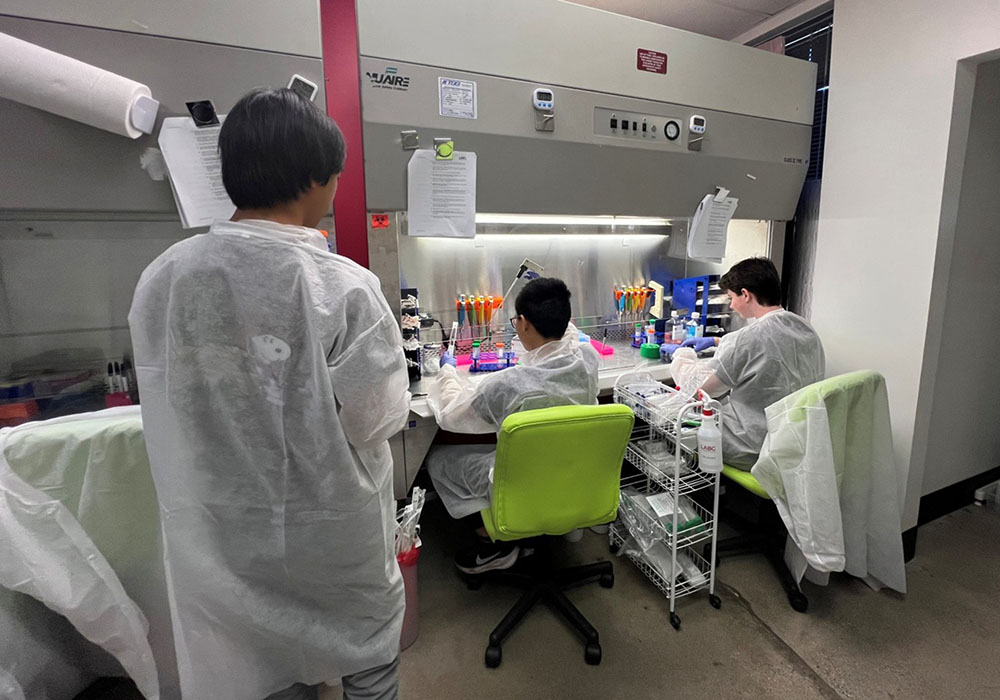
The program is taught hands-on in a biotech research laboratory by industry scientists with a strong background in neuroscience research.
Students develop multidisciplinary skills by integrating traditional wet‑lab experiments with bioinformatics computer labs (including Fiji/ImageJ image processing), AI‑driven literature‑research analysis, and journal club presentations.
Extended research opportunities may be available for high-achieving students. Inquire at info@labiotechcenter.com for more details.
The program provides:
– Comprehensive training in: (1) research study design (2) hypothesis formulation (3) experimental planning (4) reagent and assay optimization (5) experimental implementation (6) advanced laboratory techniques (7) data acquisition (8) data processing and analysis (9) data interpretation (10) troubleshooting and rigorous thinking (11) poster preparation (12) research presentation and science communication.
– Daily college-level lectures that provide a conceptual overview of the lab-classes.
– Preparation for diverse learning environments through a multidisciplinary curriculum that combines science with math, writing, IT (Microsoft office software) and public speaking.
– Exposure to disease modeling, highlighting how human cell models are used in modern biomedical and neuroscience research.
– Exposure to biotechnology and real-world science.
– Preparation for advanced STEM pathways, including AP Biology, science fair research, college laboratory courses and research internships.
– Opportunities to collaborate with motivated peers who share an interest in science and research.
– A certificate of completion.
– A resource pack containing guidance and information relating to STEM careers.
The Research Training Program provides advanced training in the following research techniques:
1. Background Research:
Participants learn to conduct background research under the guidance of professional scientists, using AI tools to search and evaluate scientific literature. They explore the biology of neuroinflammation and examine how inflammatory processes may compromise neuronal health during neurodegenerative diseases such as Alzheimer’s.
2. Hypothesis Formation:
Participants apply their background research to formulate a testable hypothesis regarding the impact of neuroinflammatory processes on neuronal growth, survival and development.
3. Experimental Design:
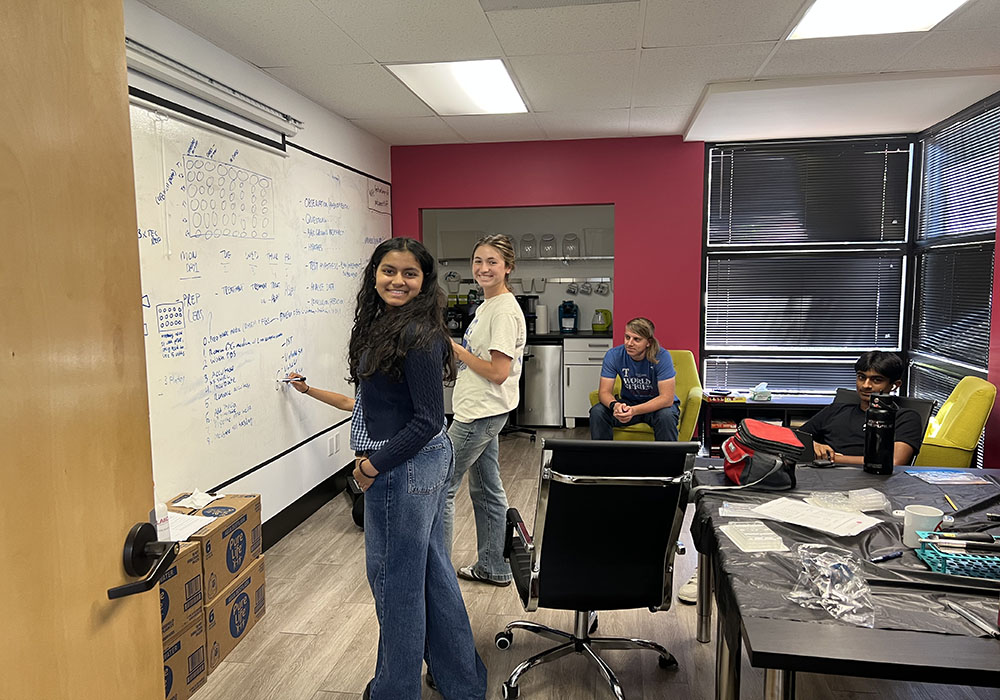
Participants learn to plan a controlled experiment with the necessary variables, replicates, time points, and assays, using human brain cancer cells to test their hypothesis.
4. Experimental Implementation:
Participants implement their experiment, applying defined protein treatments to trigger inflammation in developing human neurons. Outcomes are evaluated using microscopy and quantitative assays that measure changes in proliferation and development. Students also receive training in scientific documentation using a professionally formatted laboratory notebook to record their results.
5. Data Collection and Analysis:
Participants learn to process, quantify, and visualize their data using Excel, PowerPoint, and advanced imaging software (Fiji/ImageJ). Instruction includes foundational research ethics, highlighting intellectual integrity, objective analysis, and the scientific value of acknowledging when experimental results contradict the original hypothesis.
6. Data Interpretation:
Participants learn to analyze their data, derive evidence-based conclusions, and propose future strategies to strengthen their experimental design.
7. Research Communication:
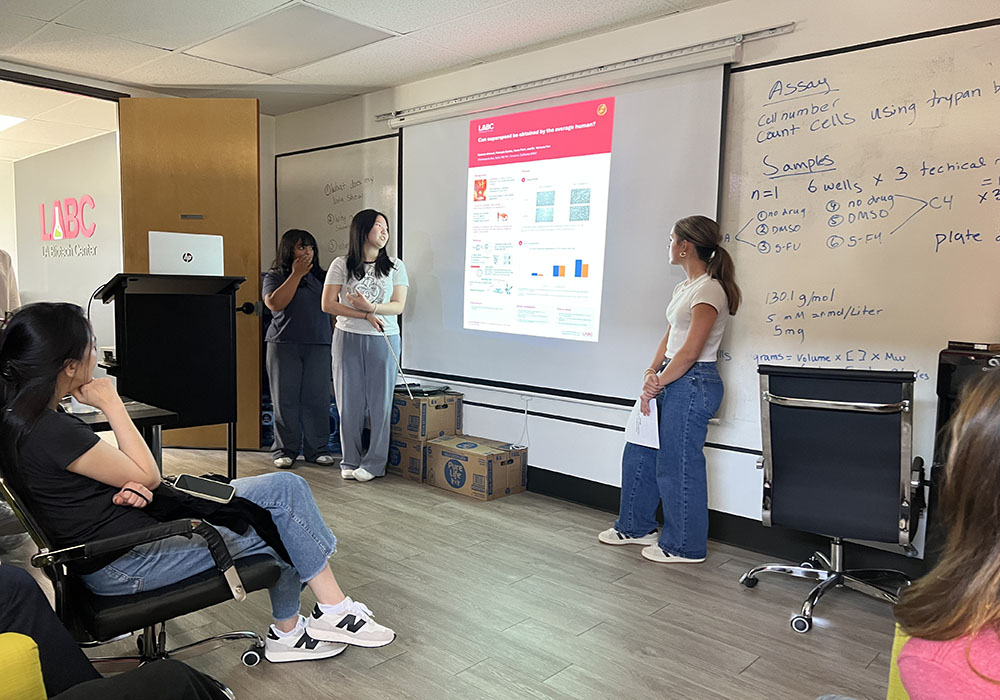
Participants learn to create and present a professional scientific research poster using Microsoft PowerPoint.
– Critical thinking and research planning
– Inquiry led experiments
– Research skills
– College level lectures
– Advanced laboratory research techniques*
– Career education resources
– Real world exposure
– Networking with professional science mentors
– Biotech exposure
*Research Training Program provides practical training in: BSL-2 lab safety procedures, mammalian cell culture, aseptic technique, antibody labeling, mRNA isolation, cDNA synthesis, quantitative PCR (qPCR), plate reader assays, DNA gel electrophoresis and microscopy (phase contrast and fluorescent).
I was looking for a summer course that would be able to introduce me to the world of science and help me learn about how to work in a lab. The Regenerative Medicine and Disease Modeling program did this and more. Not only did we learn how to work in a lab, but we learned lab techniques that I do not think I would have been able to learn anywhere else. The course is very hands-on and one on one which allowed me to maximize my experience and truly understand what I was doing and why I was doing it. We also had the opportunity to speak to other scientists and researchers about how stem cells impact their work and to be able to witness the real-life impact of this research changed my view about science and its abilities. While not only working by myself but with a team, the disease modeling program truly introduces stem cell research and lab work no matter your experience and empowers students to see science beyond a textbook
I’ve always been interested in biology and medicine but I was not sure if I was more invested in the clinical aspect of medicine or the more research-oriented side. The Regenerative Medicine and Disease Modeling program helped me to sharpen my interests and discover what it really meant to be working in a lab. We were taught essential lab techniques and were introduced to the dynamic of a real-life laboratory setting. The hands-on experience I got in working with stem cells and seeing first-hand their potential enhanced my experience and augmented my rather general view of what lab work entailed. The small size of the group with which I attended the course allowed for direct contact with Dr. Fox and other lab staff. Through this course, you will be able to explore stem cell research and introduce the world of cells as a tangible reality.
I never would have imagined the amount of work and effort that Dr. Fox and Mr. George puts into this program. They work extremely hard to make sure you will contain every ounce of information that is thrown at you. I didn’t know how hands on we were going to be in the lab. Every aspect of lab work from the aseptic pipetting, feeding, observing, decolonizing, was all done by the students. We got to come up with our own individual experiment where we tested if a certain chemical would help improve the health of testicular cancer cells (C4). I have learned and gained so much from this program and I’m extremely grateful for Dr. Fox and her team. Her mission is truly to teach the younger generation of future scientists and her passion is evidently present. I also got to meet some incredible people in my class as well. I 100% recommend taking this course as you will never find any other research place that will cater to you or give you as much opportunities
Biotech Center has been a very enjoyable learning experience. For the first time, I was able to become familiar with laboratory equipment and techniques that was not provided for me in school. On top of learning much more about RNAi and gene silencing, I realized that I genuinely enjoy working in the lab; this experienced has greatly contributed to my newfound interest in biomedical engineering.
This program was one of the best experiences I have had. I had the opportunity to not only learn about stem cells and their applications, but I was given a chance to practice some of this research in the laboratory and learn valuable skills. The knowledge that I took away I am still using today in school and increased my interest and curiosity in this new field of science.